Best Agricultural Construction Company for Quality Farm Building Solutions
Choosing the best agricultural construction company really matters when it comes to building barns, storage, or any of the other structures farmers rely on every day. The top companies stand out because they consistently deliver solid, dependable buildings that actually fit each farm’s needs.
With so much at stake, finding a builder you trust can genuinely affect a farm’s long-term success.
When people look for the right contractor, they usually care most about experience, quality, and whether a company can finish on time and within budget. Many top builders show up on industry lists like the top agriculture companies, and their reputation grows from years of dedication and good results.
Learning what actually makes a construction company “the best” helps you sidestep expensive headaches. Checking out their track record, real customer feedback, and any industry awards can point you in the right direction for your next project.
Key Capabilities of the Best Agricultural Construction Company
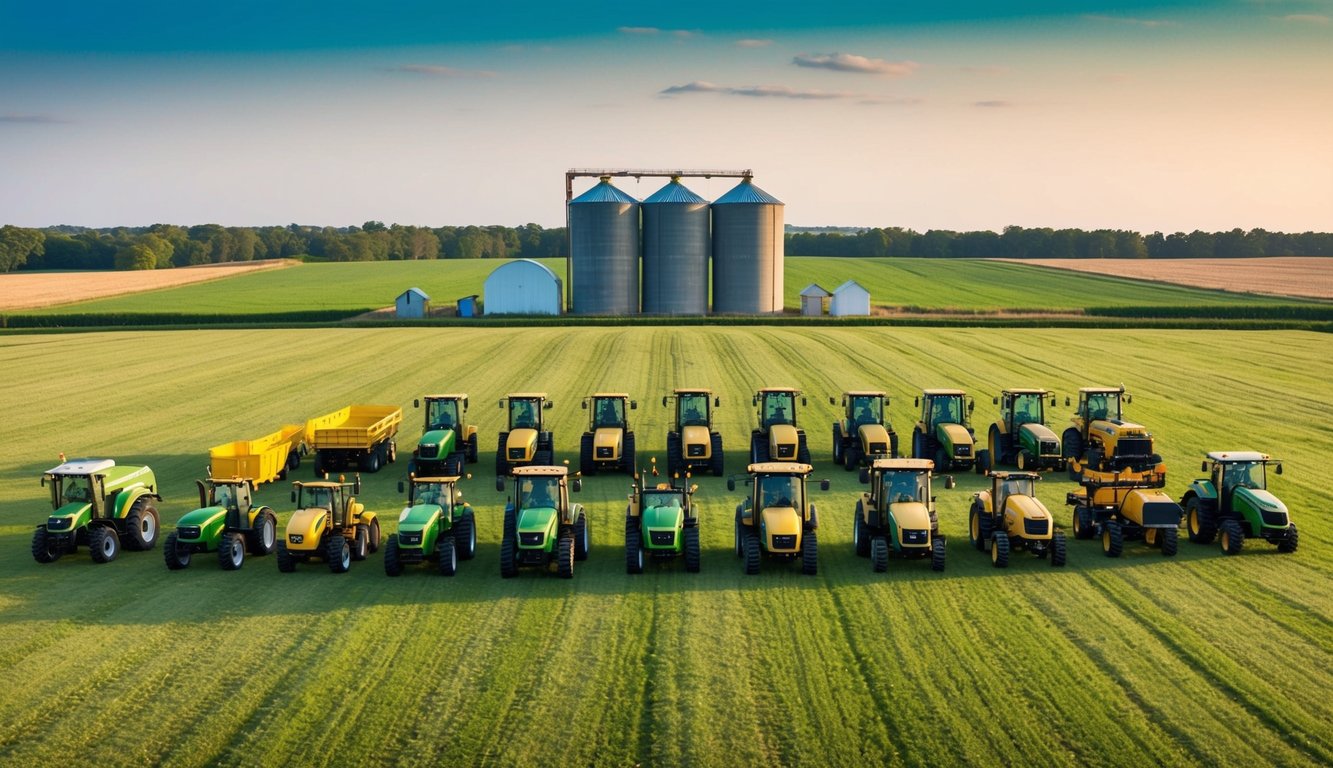
Quality farm buildings come from careful planning, a strong grip on changing conditions, and a willingness to try new approaches. Companies that pay attention to the little things and actually listen to what farmers want tend to do better.
Expertise in Design and Construction
The best agricultural construction companies mix technical know-how with a practical sense of how farms work. They design layouts that let farmers work efficiently—think crop storage, animal housing, and equipment maintenance all in the right spots.
They choose strong materials and building methods that hold up over time. You’ll see their teams juggling everything from managing deliveries to keeping projects moving on schedule. As explained in A 6-step guide to successful farm construction projects, a good general contractor organizes resources, keeps things on track, and helps prevent delays.
Modern equipment, smart building products, and a focus on local codes really set these companies apart. They use checklists and project management tools to catch small issues before they snowball. That kind of detail saves time and money—can’t argue with that.
Adaptation to Environmental Conditions
Building on farms isn’t easy. Weather, soil, and crop needs change every time. Companies have to handle wild temperature swings, wind, and rain to keep materials safe and workers protected.
Durable, weather-resistant design is a must. Companies plan for the long haul, thinking ahead to leaks or worn-out parts. As highlighted by What Construction Companies Need to Know About Building for Farms, sturdy buildings last longer and mean fewer repairs.
Sometimes they even tweak building placement for better sunlight or airflow. That’s the kind of thing that protects investments and keeps the whole operation running smoothly.
Commitment to Innovation and Courage
The companies leading the pack in agriculture aren’t scared to try new tech or methods. They look for smarter ways to build, better tools, and systems that make farms more productive.
Innovation might mean new layouts or adding automation to barns and warehouses. Sometimes it’s just better insulation or ventilation—little changes that make a big difference.
Let’s be honest, it takes guts to push for change, especially when big money’s involved. The best companies aren’t afraid to test new ideas, and they’ll pivot fast if something’s not working. That attitude usually pays off for farmers in the end.
Core Services and Solutions Offered
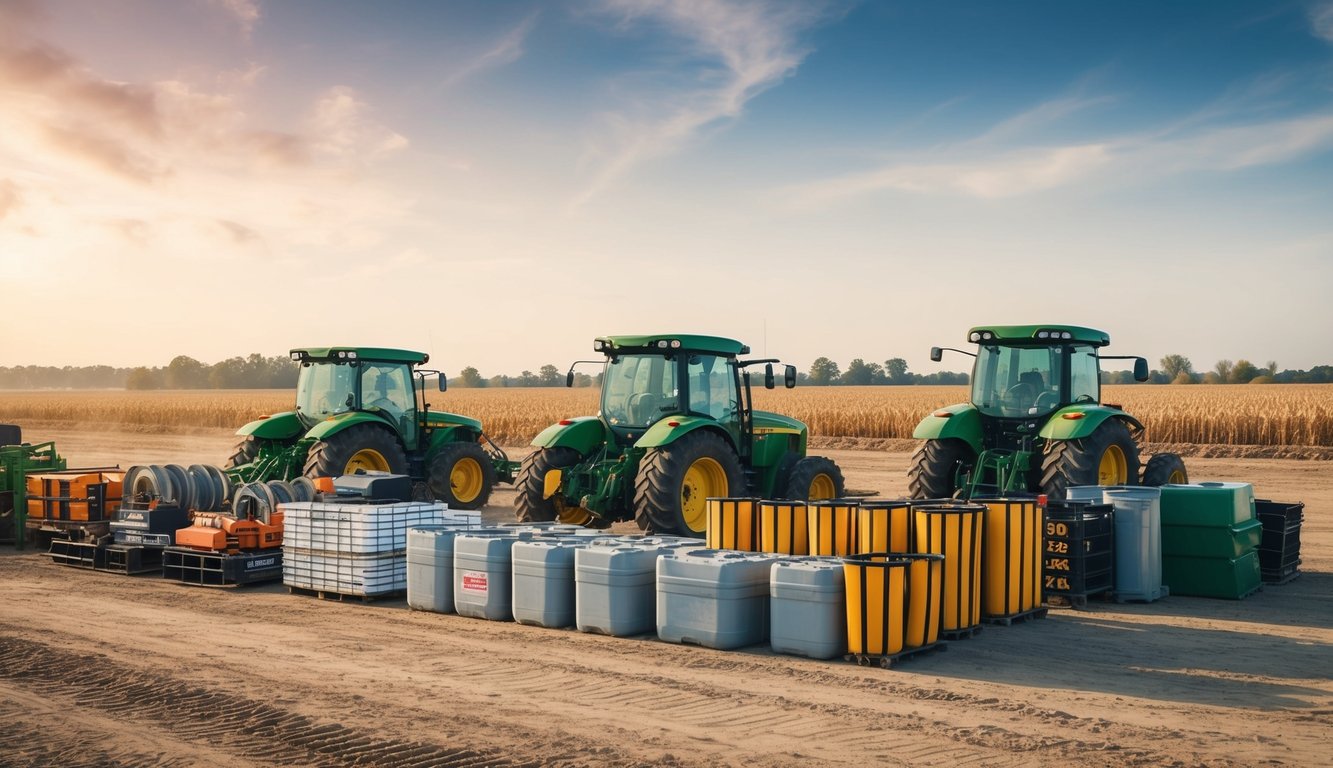
Key services cover design and construction of farm buildings, manufacturing centers, and big storage solutions. Each one aims to fit the unique demands of modern agriculture and related industries.
Building for Farming and Agriculture
Agricultural construction means barns, machine sheds, livestock buildings, and greenhouses. These spaces are built to make farmers’ daily work smoother and more reliable.
Modern farm structures use tough materials for durability and easy cleaning. Climate controls like heating and cooling keep crops and animals safe from the elements.
Key features farmers look for:
- Wide aisles for equipment
- Safe ventilation systems
- Durable flooring
- Rooms for animal care and feed storage
Good planning ensures each area fits into the workflow. Smart layouts can lower labor costs and help keep animals healthier.
Specialized Manufacturing Facilities
Agriculture and food processing need well-designed manufacturing spaces. These buildings are set up for equipment installs, big production runs, and safe handling of goods.
Construction crews work with producers to customize spaces for sorting, packing, processing, and assembly. Many add advanced plumbing, easy-to-clean surfaces, and secure loading docks.
Other solutions include:
- Controlled environments for sensitive equipment
- Built-in safety zones for workers
- Extra-wide entrances for large machines
Manufacturing centers often use automation to move things faster and boost output. That’s how farming and food businesses keep up in a changing market. For a closer look, check industry/agriculture and construction.
Warehousing and Storage Infrastructure
Farmers, food processors, and distributors all count on well-designed storage. Large warehouses hold grain, seeds, fertilizer, and finished products.
Modern storage systems usually offer:
- Temperature and humidity controls
- High-capacity shelving
- Real-time inventory tracking
Efficient warehousing cuts product loss from pests and moisture. It’s also crucial to have smooth traffic flow for tractors, forklifts, and trucks—nobody likes a bottleneck.
Extra cold storage space matters too, since about 20% of food worldwide needs refrigeration at some point. You can read more about infrastructure at agricultural support services.
Company Culture and Customer Focus
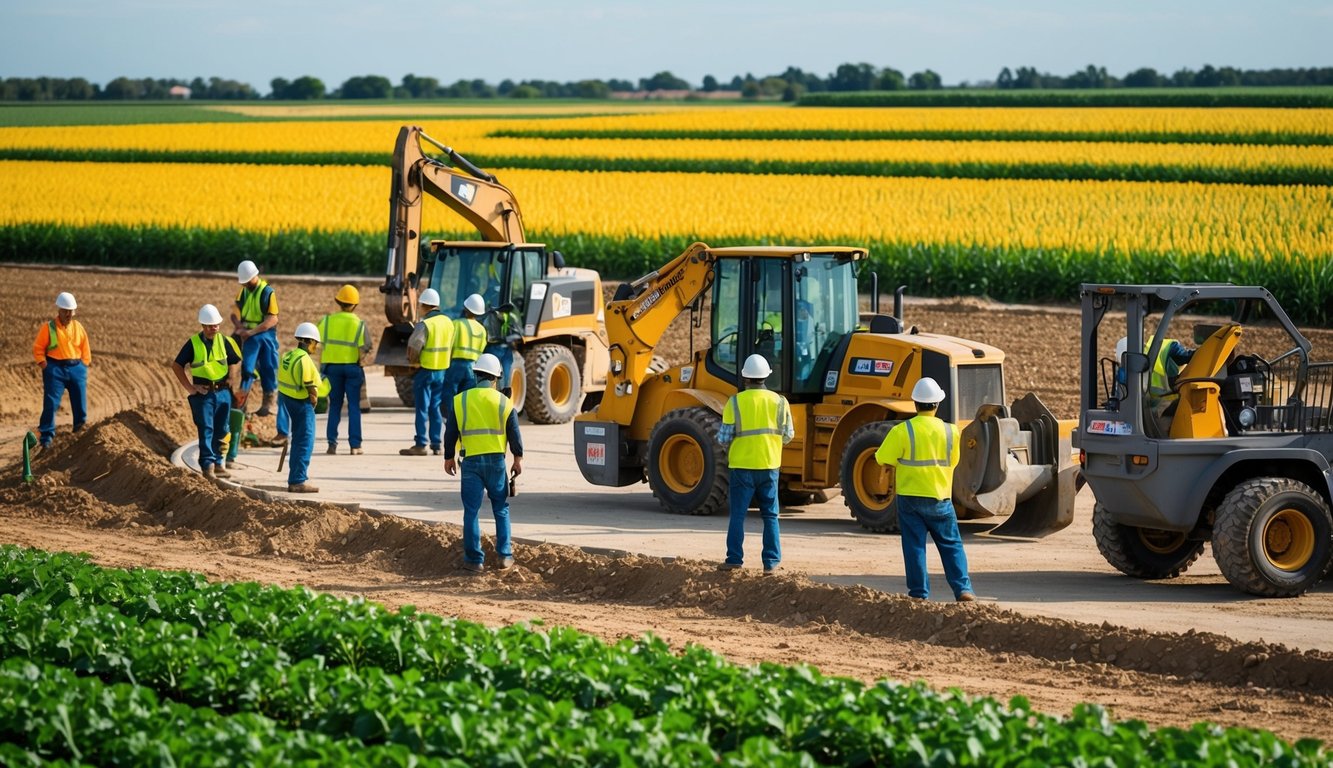
Strong company culture in agricultural construction is all about sharing values with farmers and the wider ag community. That’s what builds trust and keeps customers around for the long haul.
Aligning with Agricultural Values
Construction companies in this field have to get what farmers deal with every day. They put a big emphasis on respect, reliability, and clear communication. That’s how teams keep promises and stay flexible when plans change—because, let’s face it, they always do.
They also make it a point to get regular feedback from customers. Listening to farmers’ concerns and ideas lets teams adjust and deliver better results. Onsite visits and real conversations keep relationships strong and make it easier to jump on problems quickly.
Lots of companies use direct engagement—community meetings, surveys, that sort of thing—to shape their culture around what matters most to farmers. Research shows that companies with customer-focused cultures attract and keep skilled workers, which leads to more experienced crews on every job.
Sustainable Practices and Ethics
Customer focus means sticking to ethical business practices and doing right by the client. That means fair contracts, honest updates, and transparency about any bumps in the road. Customers get clear expectations and can actually trust the timelines and costs they’re given.
Consistency and quality build trust with farmers. Companies set standards for safety, training, and job performance, which cuts down on mistakes and leads to better results. They reinforce ethical standards through training and clear policies so everyone knows how to represent the company.
Open, honest communication about what’s possible and what isn’t makes a huge difference. Research suggests that strong ethics and good practices help build lasting partnerships with customers, supporting farm success for the long term.
Frequently Asked Questions
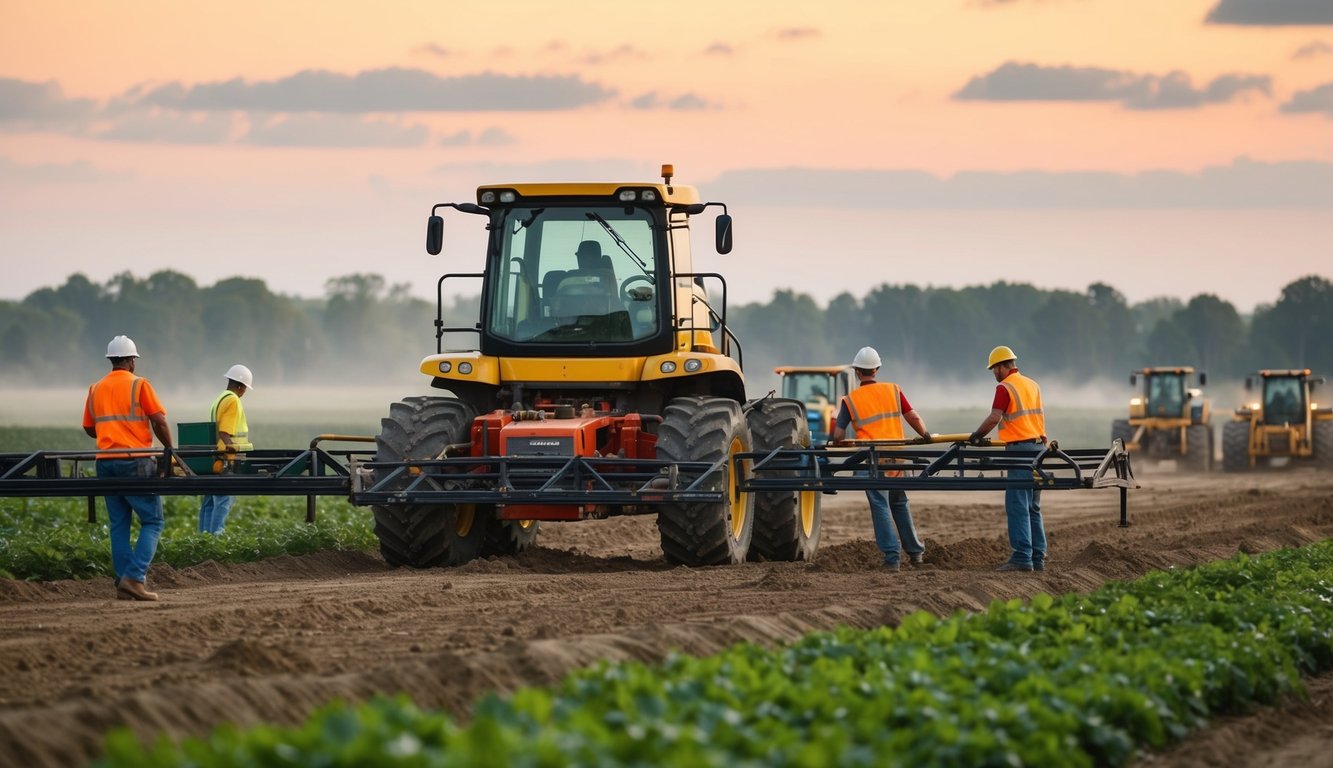
Agricultural construction companies get recognized for strong safety records, quality work, and finishing projects on time. Experts and clients look at their portfolios and whether they stick to budgets and deadlines.
What are the top-reviewed agricultural construction companies?
Top-reviewed companies earn praise for reliable service, clear pricing, and solid customer support. Independent reviews and frequently asked questions often mention good communication, organized project management, and helpful after-service as standout qualities.
Which company is considered the global leader in agricultural construction?
The global leader usually stands out through awards, big contracts, and a reputation for embracing new tech. They’re also known for high safety standards and pulling off complex, high-profile builds.
How do industry experts rate agricultural construction companies?
Experts look at safety records, innovative methods, labor management, and customer feedback. Third-party groups and trade publications run annual surveys to provide company ratings and rankings.
What are the current leading projects in agricultural construction?
Right now, some of the biggest projects involve expanding grain storage and upgrading livestock facilities. Building out new irrigation systems is also a huge focus lately.
Plenty of firms are juggling multi-million dollar builds, often leading big teams and hustling to meet deadlines. You can see more about this in the latest industry FAQs.
Which agricultural construction companies offer competitive compensation?
Most top companies in this space pay pretty well and offer benefits like health insurance, paid time off, and sometimes performance bonuses. According to independent industry FAQs, folks with solid experience tend to earn higher-than-average salaries compared to other parts of construction.
What distinguishes a top-tier agricultural construction company from the competition?
Top-tier companies stand out because they deliver projects on time and keep costs clear from the start. Their teams know what they’re doing, and if you need help, someone actually picks up the phone.
They don’t shy away from tricky building problems and usually have a trail of happy clients backing them up. In this industry, that’s saying something.