Hardscapes for Elegant Outdoor Spaces in Simcoe
Hardscape landscaping is a fundamental aspect of my approach to designing outdoor spaces. Unlike softscaping which involves plant elements, hardscaping includes the non-living features of a landscape such as stone walls, patios, decks, walkways, and other structures that add functionality and aesthetic appeal. These elements are not only durable but they also provide a framework that enhances the natural beauty of my landscape designs.
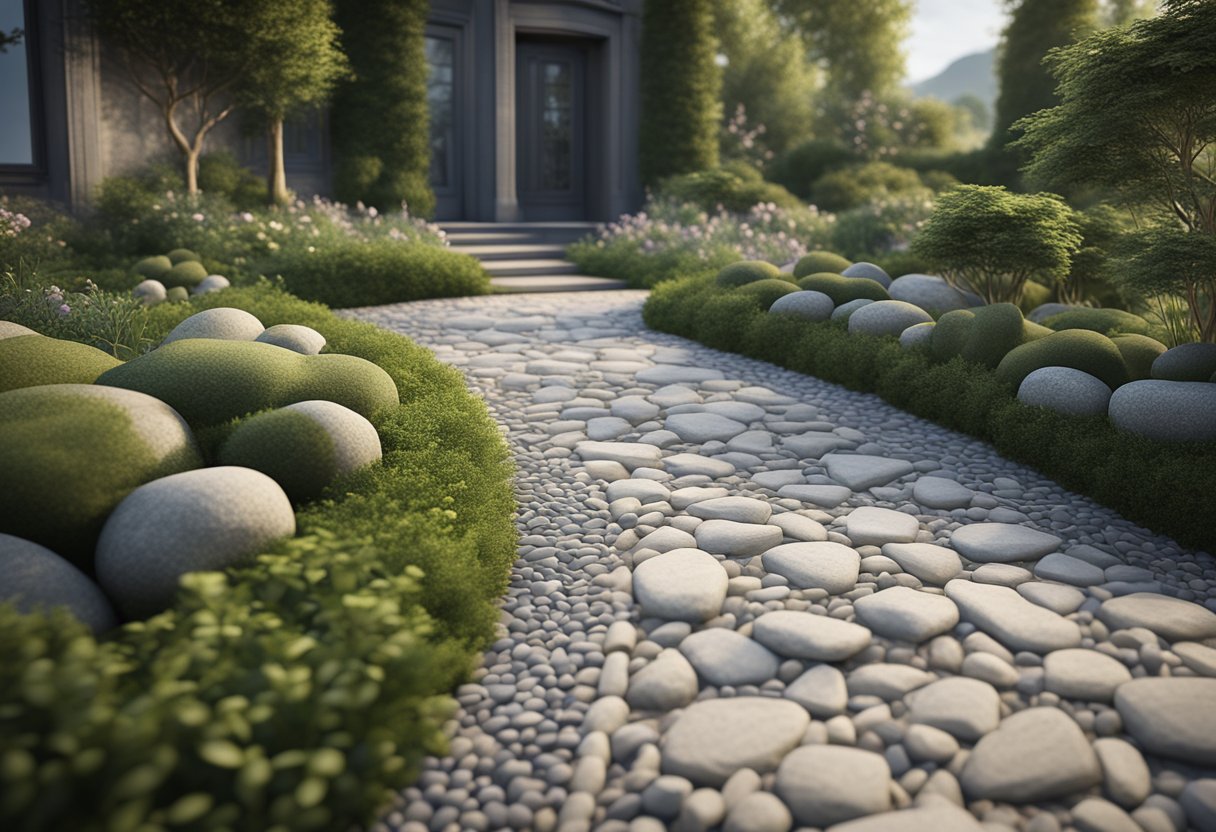
My process involves careful consideration of the outdoor space to create a balance between hardscape and softscape elements. The goal is to achieve a harmonious and practical outdoor environment that meets my clients’ needs. Whether it’s creating an inviting patio that extends the living space outdoors, or constructing walkways that navigate through a garden, I ensure that every hardscaping feature is integrated seamlessly into the overall landscape.
When it comes to choosing materials for hardscaping in Simcoe, I opt for options that complement the natural setting and the architectural style of the home. Materials like natural stone, pavers, bricks, and concrete are commonly used to offer longevity and minimize maintenance for my clients. Strategically placed, these hardscapes can transform an outdoor area into a picturesque scene that’s perfect for entertaining, relaxing, and enjoying the serene beauty of nature.
Design Principles of Hardscape Landscaping
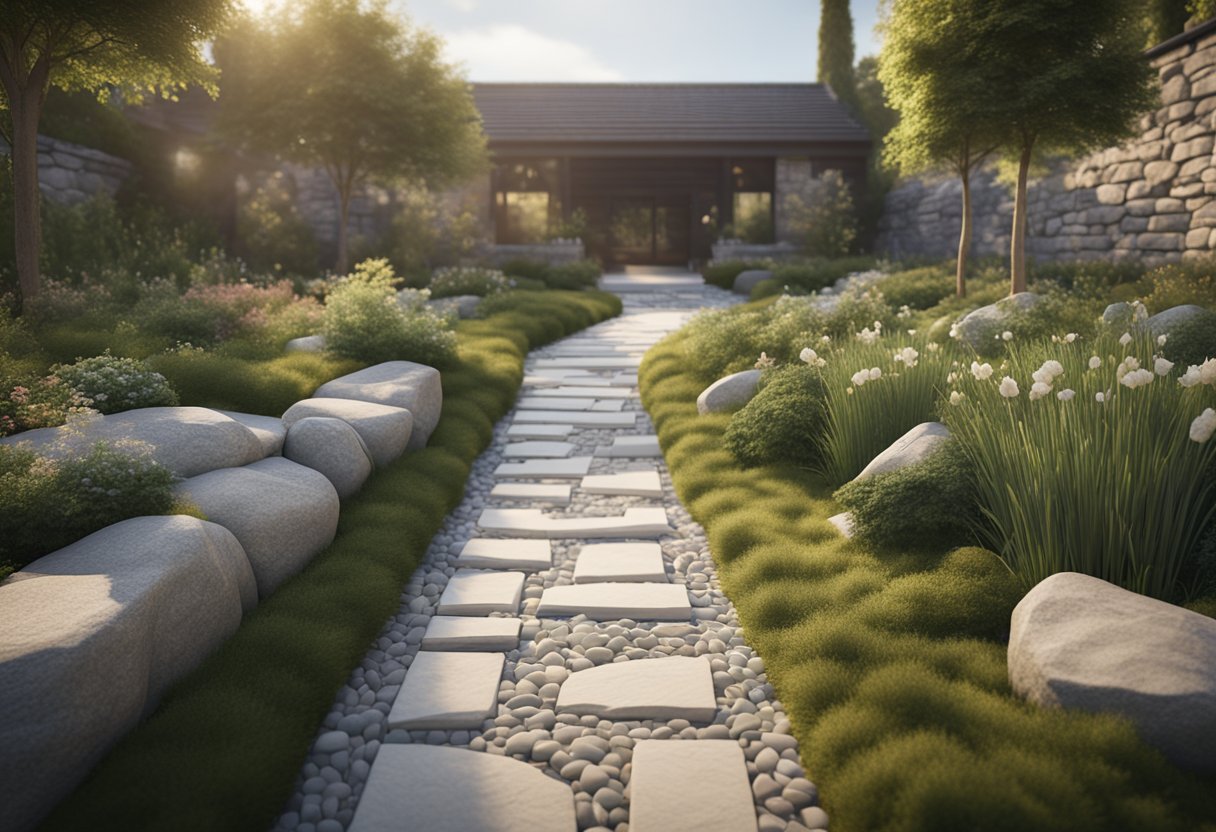
When I approach hardscape landscaping, I focus on the marriage of functionality and aesthetics, ensuring that each physical structure complements the natural landscape. It’s a deliberate process where every material chosen plays a role in the overall design.
Understanding Landscape Architecture
In landscape architecture, I regard the layout as a structural framework that supports the entire garden design. The architecture must integrate with the natural topography, considering both the immediate environment and the broader scenery. My design objectives go beyond mere appearance; I focus on fostering harmony between built elements and the surrounding ecosystem. To achieve this, I meticulously analyze the site, visualizing how elements like stone pathways or brick walls will enhance not just the aesthetics, but also the usability of the space.
Choosing Hardscape Materials
Selecting hardscape materials is a task I undertake with precision. I weigh the durability and maintenance demands of materials like natural stone, concrete, and wood. For example, stone provides timeless appeal but may require more investment, whereas concrete is versatile and cost-efficient. Brick offers a classic look and excellent longevity. Throughout my choice of materials, I always ensure they align with the project’s functional requirements and environmental conditions.
Incorporating Living Elements
No hardscape design I create is complete without incorporating living elements. Softscape features, such as plants, trees, and grass, breathe life into the rigid structure of hardscape. I harmonize these elements by using the textures and colors of the softscape to soften the hard lines and surfaces of the hardscape, achieving a natural balance that brings the entire landscape design to life.
Hardscape Features and Elements
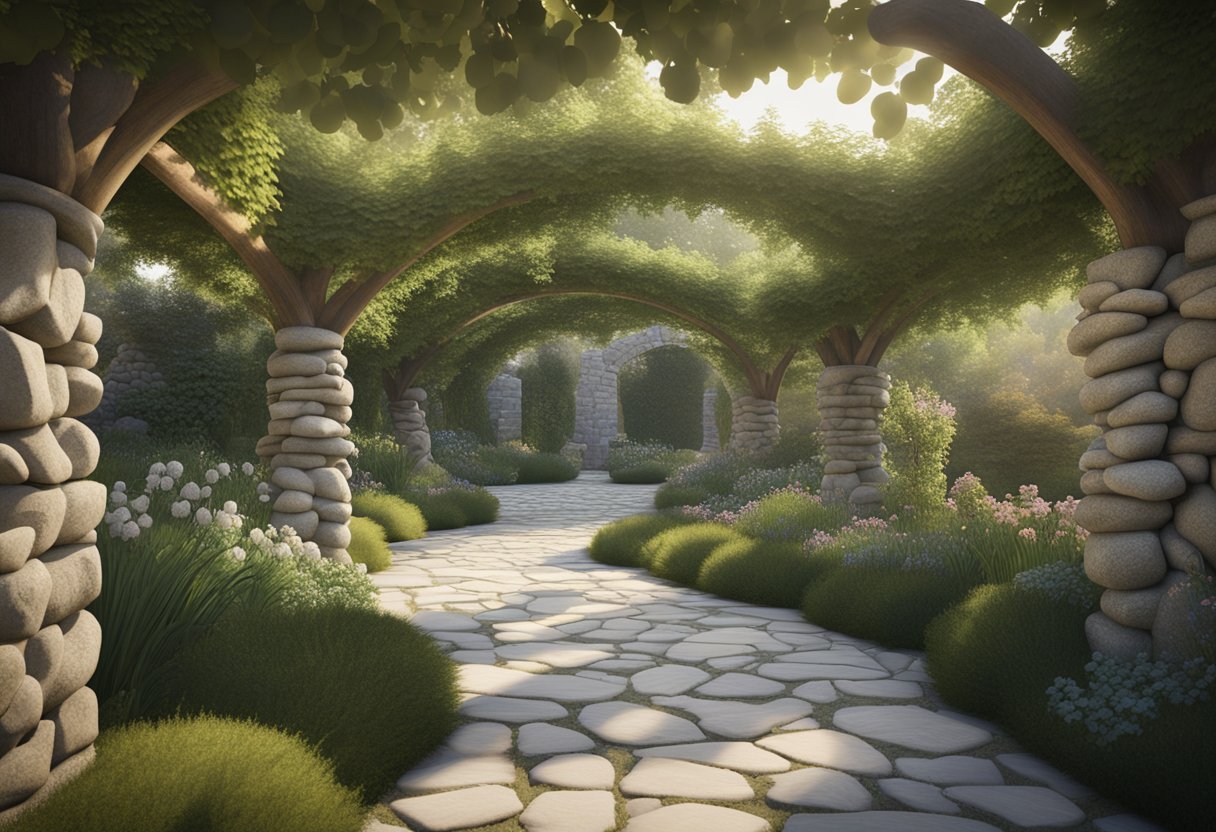
In my experience with landscape design, hardscape elements are integral components that enhance the functionality and aesthetic appeal of outdoor spaces. Let me walk you through the variety of features that can transform your yard.
Paths and Walkways
My projects often involve creating paths and walkways, which not only guide traffic through garden areas but also contribute to the overall design. For a natural look, gravel is a versatile choice, while flagstone paths offer a classic, durable surface. Pavers are another durable option, coming in various styles to complement any garden theme.
Walls and Fences
Walls and fences serve dual purposes in a landscape: providing privacy and enhancing security. I’ve constructed retaining walls to combat soil erosion, using materials like stone for lasting stability. For fence construction, choices range from decorative to functional, each selected to blend with the landscape while meeting my clients’ specific needs.
Water Features and Fireplaces
Incorporating water features like fountains or ponds adds a tranquil element to the environment, often becoming the focal point of a retreat. Fire pits and outdoor fireplaces, on the other hand, bring warmth and a cozy atmosphere, extending the use of the outdoor living space well into cooler months.
Patios and Decks
Lastly, patios and decks are essential for any outdoor living space I design. Stone patios exude timeless elegance, whereas wooden deck construction feel warm and inviting. These structures are perfect for dining, entertaining, or simply relaxing, making them a must-have in achieving a functional and stylish outdoor area.
Outdoor Living and Entertainment in Norfolk County
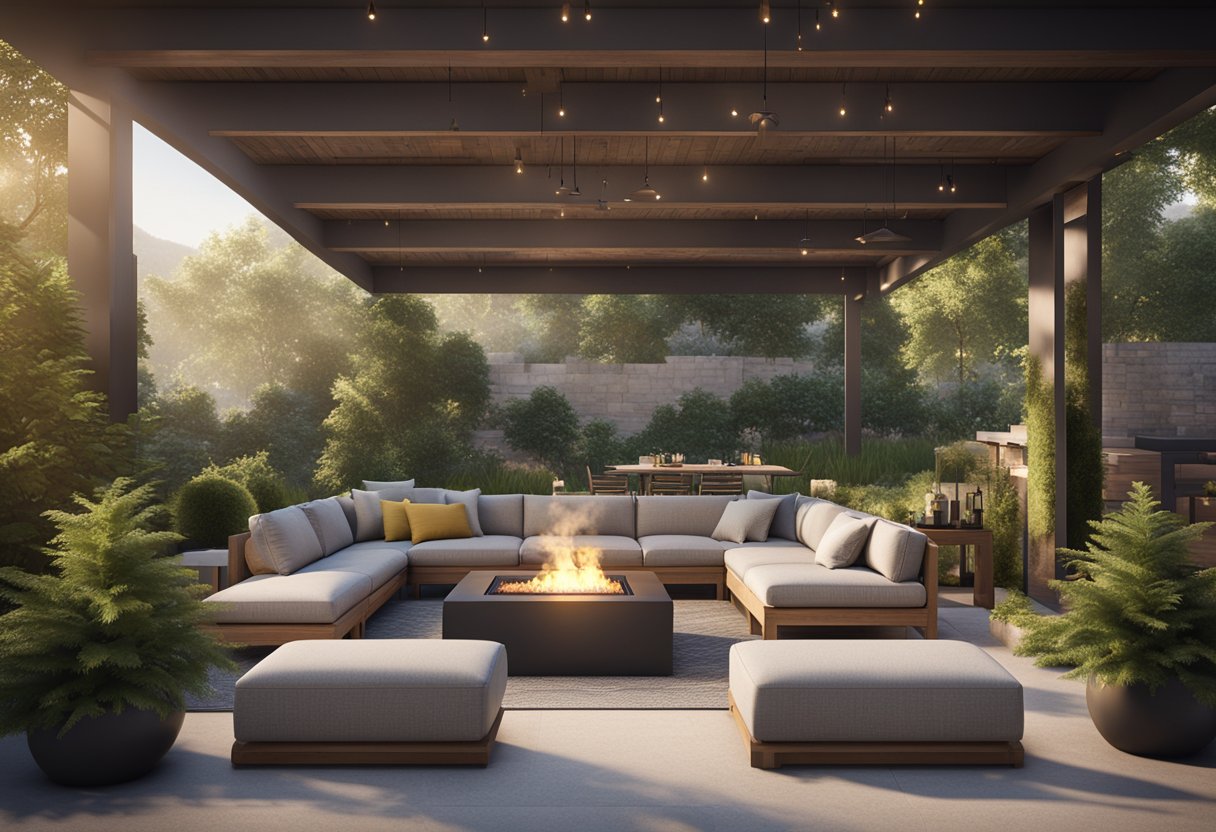
In crafting outdoor living spaces, I focus on merging both aesthetics and practicality to curate areas ideal for entertainment and relaxation.
Creating Outdoor Living Spaces
I design outdoor living spaces to serve as extensions of the indoor environment. By considering the natural flow of the landscape, I incorporate elements like patios and decks that act as foundational spaces for family gatherings and the perfect stage for a fireplace or a water feature to create a stunning focal point.
Kitchens and Dining
An outdoor kitchen elevates the dining experience by blending the comforts of indoor amenities with the freshness of the outdoors. Whether hosting a barbecue or an elegant alfresco dinner, I ensure that the design balances functionality with style—equipped with grills, counters, and perhaps even a bar area for serving.
Comfort and Functionality
Comfort is paramount in hardscape design. My objective is to establish a seamless blend of comfort and functionality, ensuring durable yet welcoming furniture, strategic lighting for ambiance, and ample shade structures, like pergolas or gazebos, to enhance the enjoyment of the space at any time of the day.
Materials and Maintenance
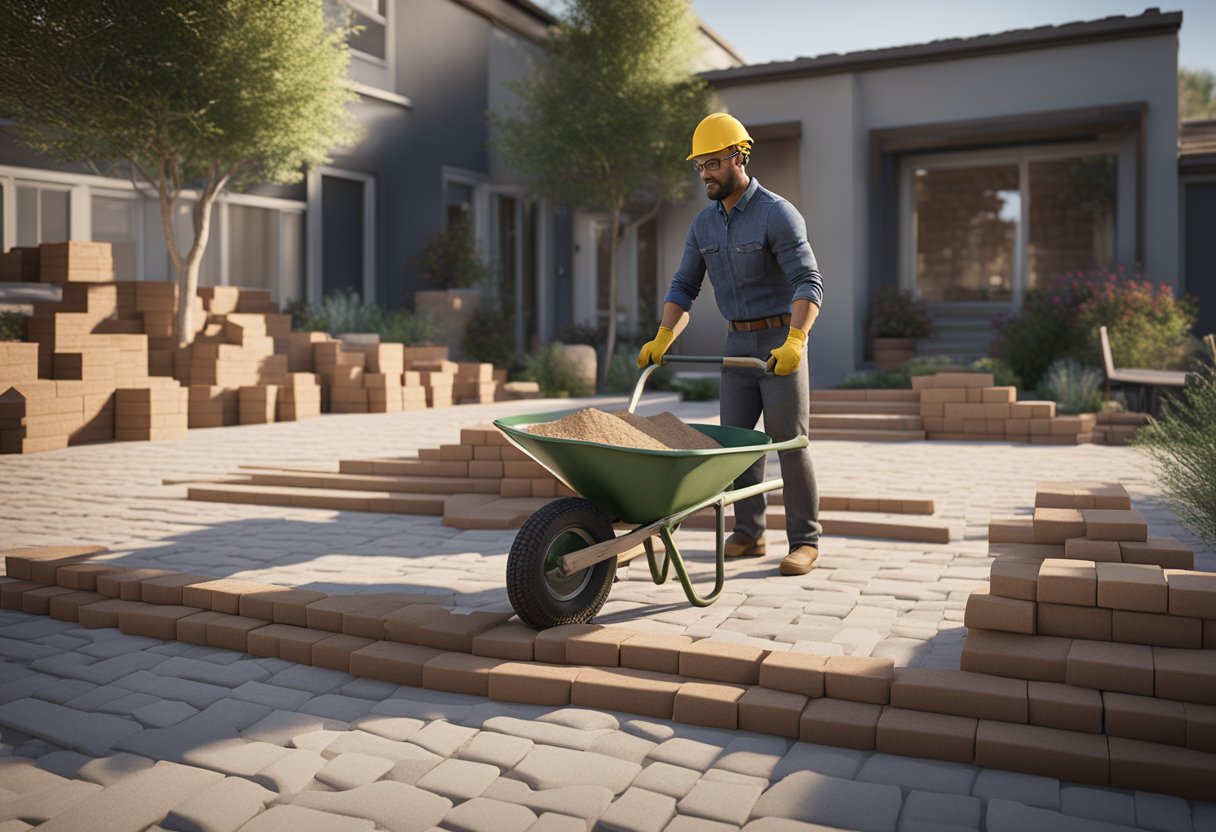
In my experience with hardscape landscaping, selecting the most suitable materials and employing effective maintenance strategies are critical for ensuring longevity and sustainability.
Selecting Durable Materials
I’ve found that durability is a prime consideration when choosing hardscape materials. Natural stone is one of my go-to choices because of its endurance and aesthetic appeal. For projects with a focus on affordability and versatility, I recommend concrete pavers as they come in various shapes and are quite resilient. When clients desire a warm, organic look, I often suggest wood, but only types like cedar or redwood that are naturally rot-resistant.
| Material | Durability | Aesthetic Quality | Sustainability Factor |
|---|---|---|---|
| Natural Stone | Very High | Unique & Natural | Low-Maintenance |
| Concrete Pavers | High | Uniform & Customizable | Reusable & Adaptable |
| Wood | Moderate to High | Warm & Natural | Renewable Resource |
Maintenance Strategies
Maintaining hardscaping elements is simpler when I apply the right strategies from the beginning. For instance, sealing surfaces like natural stone can prevent staining and boost longevity. Routine cleaning of concrete pavers and re-sanding the joints helps to maintain their appearance and condition. As for wood, to preserve its vitality, I regularly apply water-repellent finishes to guard against decay and weathering. Implementing these targeted, material-specific care practices ensures the hardscape remains both beautiful and functional for years.
Hardscaping DIY and Professional Projects
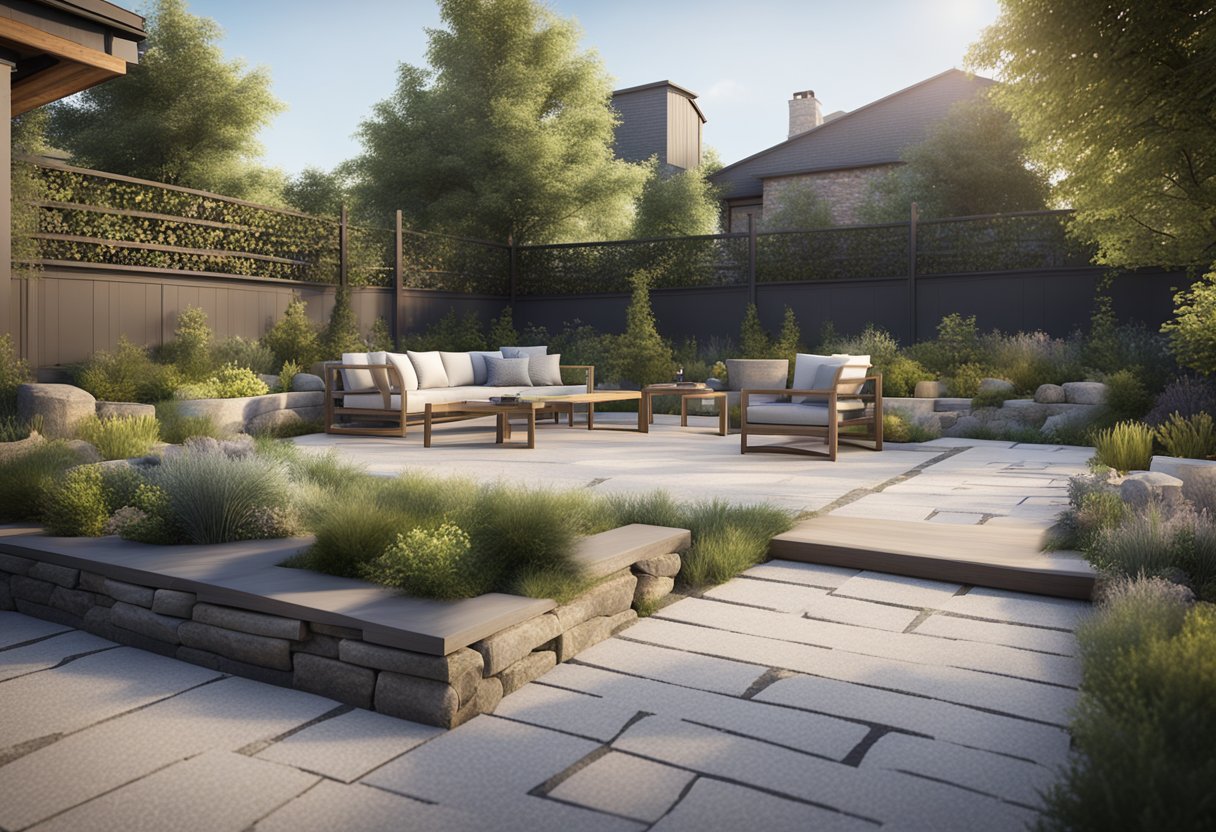
Hardscaping can enhance outdoor living spaces both aesthetically and functionally, whether carried out as a DIY project or with professional help. Strategic use of patterns, textures, and a solid foundation is crucial to elevating your landscape design.
DIY Hardscaping Tips
When I approach DIY hardscaping in Simcoe or Port Dover, I prioritize planning for success. Firstly, assess the area to be hardscaped, considering its intended use and the existing landscape. It’s vital to start with a solid foundation to avoid future shifting or settling. For DIY enthusiasts, choosing a simple pattern that doesn’t require complex cuts makes the project more manageable.
- Research materials carefully: Select materials that are easy to work with and offer the durability required for your climate and usage.
- Patterns and textures: Introduce visual interest with varied textures and interlocking patterns to make the space more engaging.
- Understand the value of a good layout: Before I lay a single stone, I ensure to have a clear layout to minimize errors.
- Support for features: If the project includes heavy features, like an outdoor kitchen, I make certain the base can adequately support the weight.
Here are a few steps I follow:
- Prepare the Base: Excavate to the recommended depth and tamp down a layer of crushed stone for drainage and stability.
- Lay the Materials: Follow the pattern I’ve chosen closely, ensuring each piece is level and fits snugly against its neighbor.
- Finish with Sand: Sweeping sand into the joints helps lock the pavers and complete the installation.
Working with Landscape Designers
Teaming up with a professional often brings my hardscape ideas to a new level of sophistication. Landscape designers provide expert advice on patterns, textures, and the creation of a functional foundation that blends seamlessly with my home’s overall design.
- Collaboration: I discuss my vision and functionality needs with the designer to ensure the final design reflects my personal style and practical use.
- Quality and Value: Professionals know how to deliver high-quality results that can increase property value.
- Technical Expertise: They can tackle complex patterns, provide proper drainage, and ensure a durable foundation, which can be beyond my DIY capability.
When I consult with a designer, I make sure to:
- Ask about their previous work and experience with similar projects.
- Review their portfolio to understand their design style and range.
- Discuss timelines and budgets to align expectations.
Hiring a professional guarantees that the heavy lifting, both literally and figuratively, is handled by someone with the necessary tools and expertise, likely making it a worthy investment for complex projects.
Trends and Innovation in Hardscape Design

As we immerse ourselves into the realm of hardscape design, I notice that sustainability and aesthetics are merging more than ever. Modern hardscape takes cues from both the environment and cutting-edge technology, leading to significant trends that are reshaping our outdoor spaces.
One of the noteworthy trends I’ve observed is the increasing use of eco-friendly materials. Designers are choosing permeable pavers for their dual role in reducing runoff and enhancing the charm of outdoor areas. You can see this trend in action through the adoption of permeable pavers.
When it comes to innovation in lighting, I’m seeing a shift towards integrated lighting solutions. These subtle yet impactful lighting systems are often LED-based and ensure that outdoor spaces remain functional after dusk, as evidenced by the rise of low-profile lighting.
The palette of colours used in hardscape design is also evolving. I’ve observed a preference for neutral and natural tones that blend seamlessly with the surrounding landscape, striving to create a more organic and cohesive look.
Texturally, there is a move towards smooth surfaces with large-format pavers. The use of such pavers imparts a modern, sleek appearance, which is not just popular for driveways but also for patios and pathways.
Lastly, an interesting innovation is in the realm of patterns. Dynamic geometric and linear patterns are being used to impart a unique character to outdoor spaces, this includes both traditional motifs and contemporary designs, which can be found in a variety of modern hardscaping projects.
In my experience, these trends and innovative approaches in colour, lighting, textures, and patterns profoundly enhance the beauty and functionality of a hardscape design anywhere in the Simcoe or Port Dover area.